yOU ARE NOT ALONE
Domestic Partner Violence Intervention & Resources
If you are in immediate danger, call your local emergency number right now.
You deserve safety. You deserve dignity. You deserve a way forward
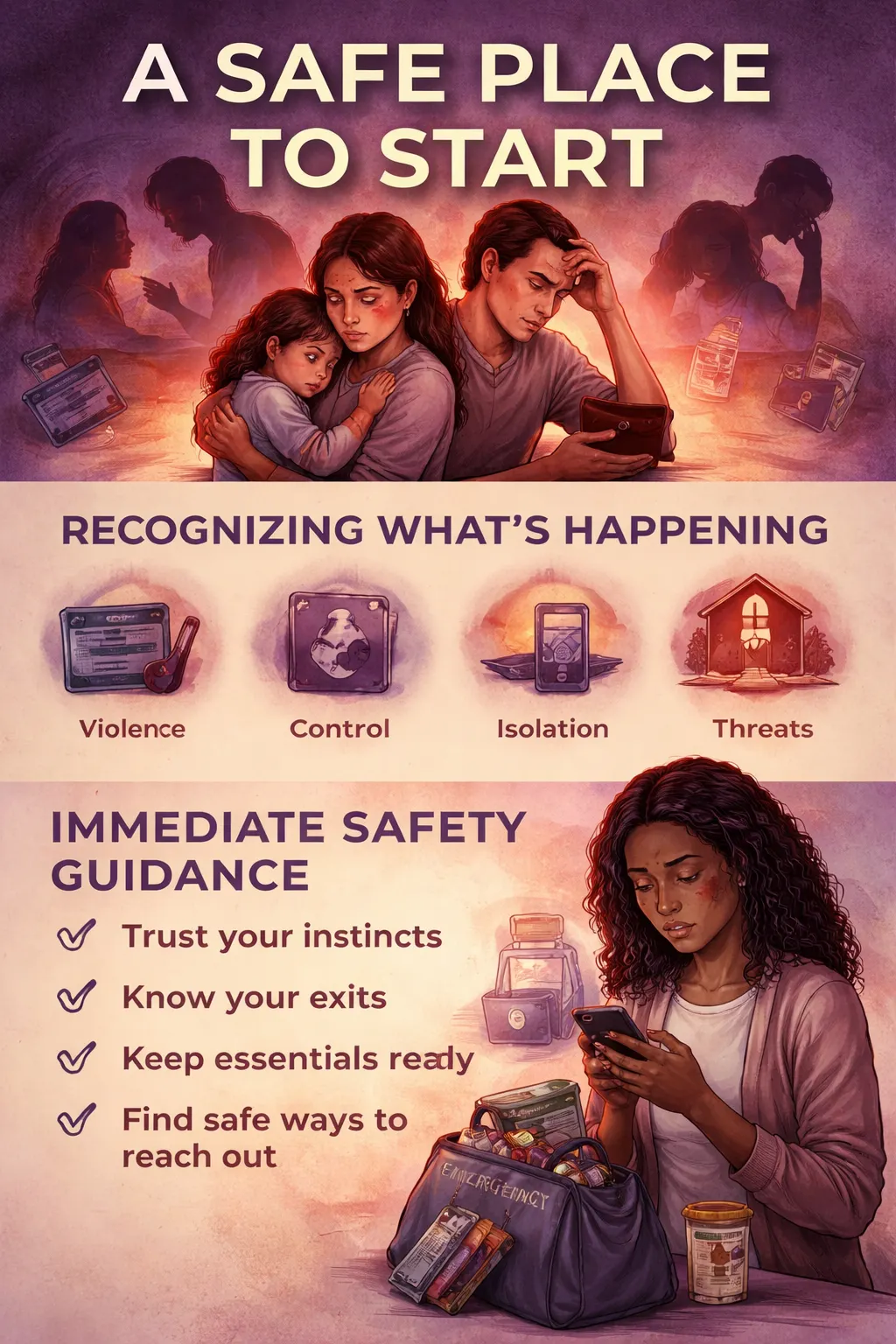
A Safe Place to Start
Domestic partner violence can happen to anyone — regardless of gender, income, culture, or background. It often shows up as control, fear, isolation, or silence behind closed doors..
This page exists for one purpose: to connect you — or someone you care about — to real, accessible support.
You do not have to figure this out alone.
Recognizing What’s Happening
Violence is not only physical.It can include:
Control over money, access to accounts, or forced debt
Monitoring your spending or punishing financial decisions
Threats tied to housing, credit, or survival
Isolation from work, education, or support systemsThis is called financial coercion, and it is a form of abuse
Immediate Safety Guidance
If you are in a situation that feels unsafe:Trust your instincts — your safety comes first
Move toward exits, avoid confined spaces if possible
Keep essential items accessible (ID, cards, medication)
Use a safe device if you believe your activity is being monitored
Reach out quietly if needed — even one message can change the outcomeEven small steps matter.
YOU ARE NOT ALONE™
If you are in immediate danger, call your local emergency number right now.
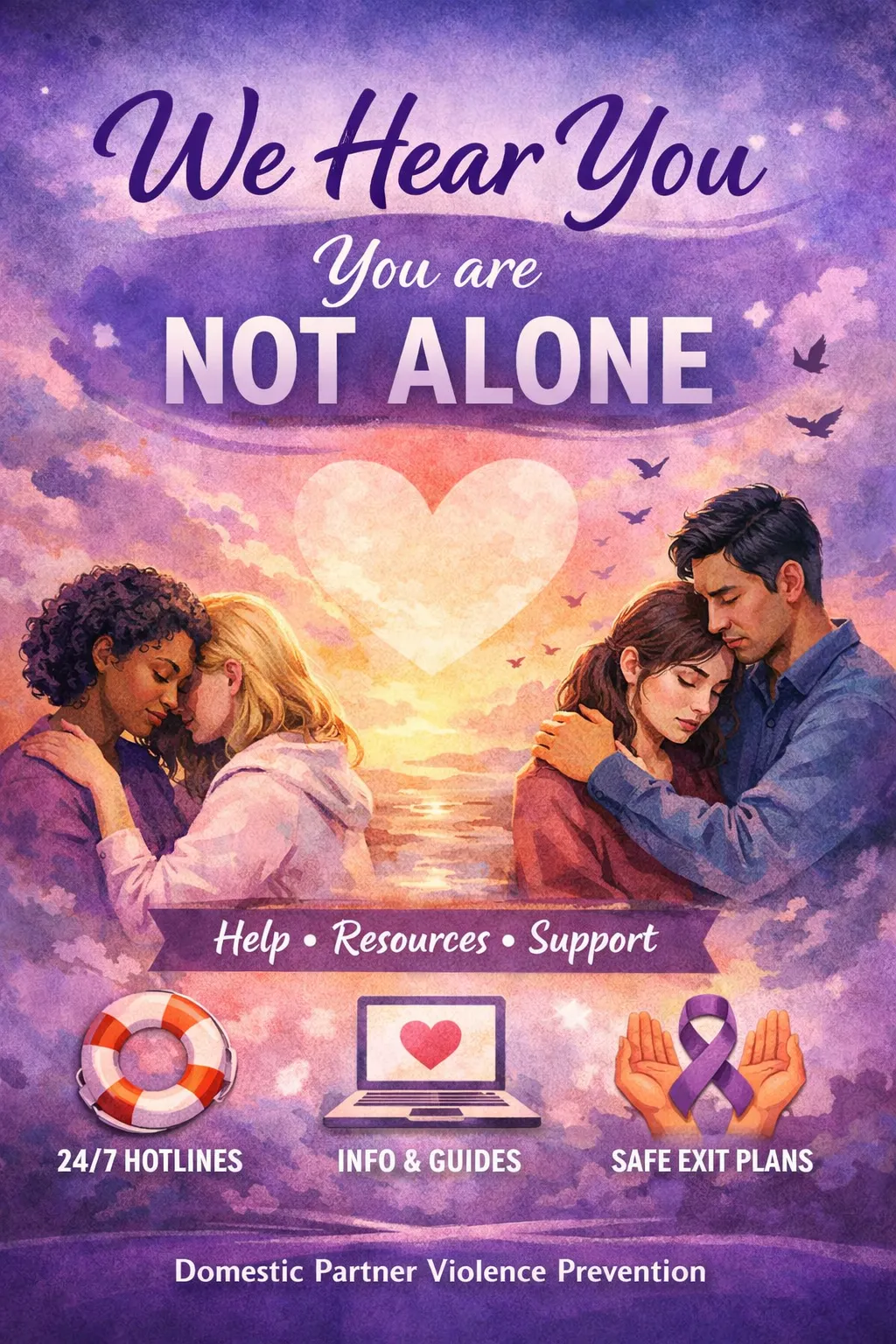
Access Help — Privately and Quickly
We are building a world where help is always within reach.
Through the You Are Not Alone™ initiative, our mission is to make support accessible discreetly through:
QR-enabled resource hubs
Community spaces (clinics, workplaces, schools)
Mobile devices — anytime, anywhere
This approach removes one of the biggest barriers: having to ask out loud.
Emergency & Crisis Support
United States
National Domestic Violence Hotline: 1-800-799-7233 Text: START to 88788 Sexual Assault Hotline: 1-800-656-4673
Canada
Talk4Healing: 1-855-554-4325
ShelterSafe - https://sheltersafe.ca/
Find shelters near you
These services are confidential, available 24/7, and designed to help you navigate next steps safely.

Financial Safety Matters
For many, leaving is not just emotional — it is financial.
If it is safe to do so, consider:
Gathering copies of financial documents Opening a personal bank account
Setting aside small amounts of cash Protecting your credit and identity
Learning what support programs are available
Regaining financial independence is often a key step toward safety.